


How to Choose the Right UV Test Chamber in the USA for Industrial Applications
Summary
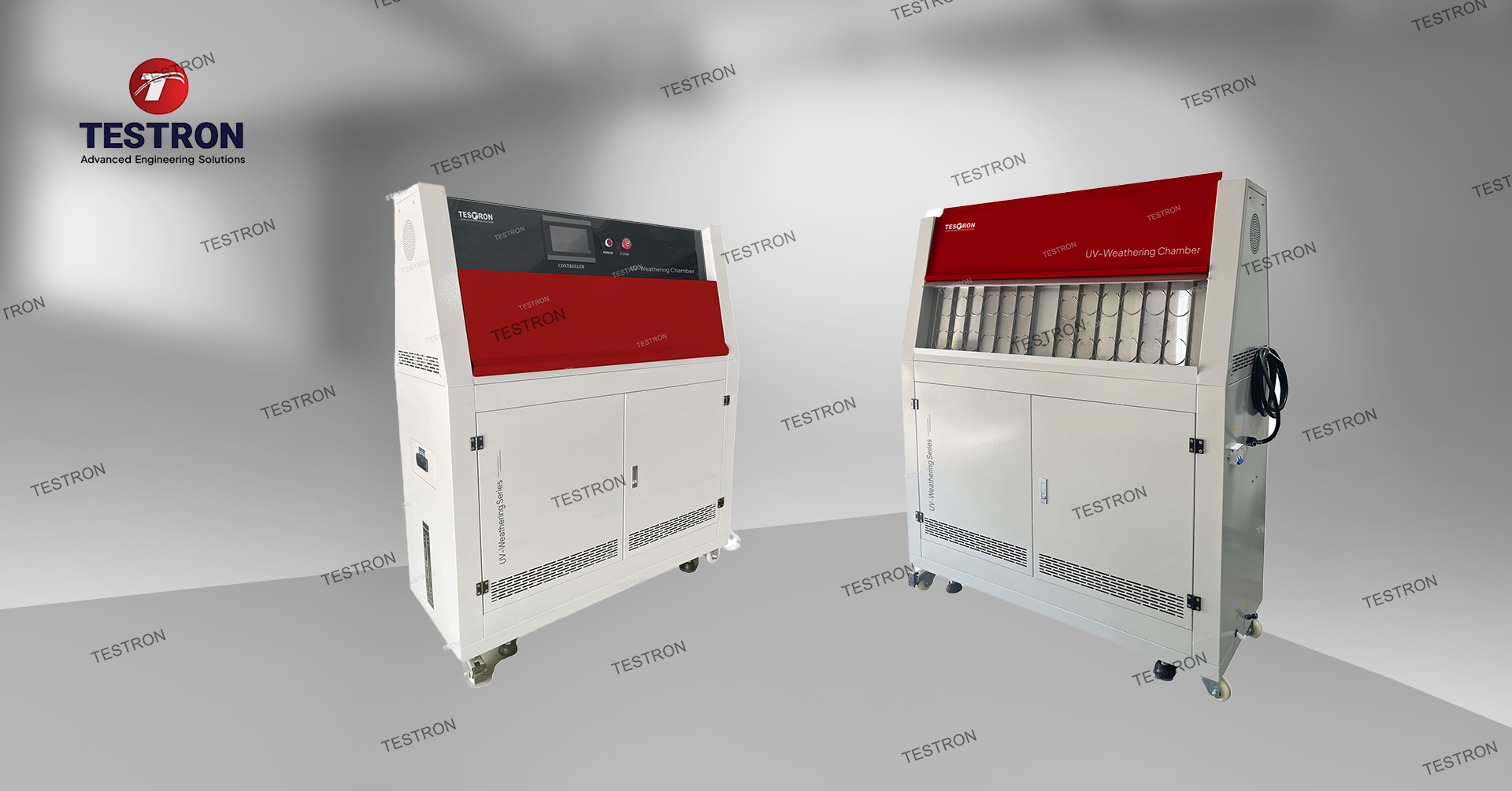
Choosing the right UV test chamber in the USA is essential for manufacturers who need to test weathering durability, UV resistance, cracking, fading, and long-term product performance. Whether you are in automotive manufacturing in Detroit, aerospace engineering in Seattle, coatings production in Texas, plastic molding in Ohio, or solar panel R&D in California, UV weathering simulation is crucial to meeting ISO, ASTM, and global durability standards. The right chamber ensures accuracy, repeatability, and compliance—ultimately helping organizations reduce failure risk, avoid product recalls, and accelerate innovation cycles. This guide explains features to evaluate, industry applications, and how to select the best chamber for your testing environment.
The Critical Role of a UV Environmental Test Chamber
In today’s competitive industrial landscape, validating weathering durability is essential—not optional. Products exposed to sunlight, humidity, moisture, and outdoor environments must undergo accelerated testing to determine how they will perform over years of exposure. A UV test chamber in the USA allows manufacturers to simulate these harsh climate effects in a controlled environment using UV radiation, temperature cycling, and condensation.
With U.S. industries pushing forward in advanced materials—especially in automotive, aerospace, construction, packaging, and renewable energy—the demand for reliable UV environmental test chamber systems has steadily increased. However, selecting the right system involves understanding test methods, compliance standards, design features, and trusted UV test chamber suppliers.
This buying guide provides the clarity needed to select the most reliable system for production testing, R&D, and certification requirements.
Why a UV Test Chamber Matters for U.S. Industrial Testing
UV radiation causes material degradation through:
- Discoloration and fading
- Loss of tensile strength
- Embrittlement or cracking
- Gloss reduction and chalking
- Chemical breakdown and oxidation
A UV weathering chamber replicates real-world sunlight exposure using controlled UV wavelengths combined with condensation or water spray. This approach helps predict long-term outdoor and climate performance.
Industries rely on UV weathering chambers because they:
- Reduce warranty risks
- Prevent costly recalls
- Improve product performance
- Support certification compliance
- Accelerate product development timelines
Manufacturers in high-regulation states such as California, Michigan, Massachusetts, Texas, Florida, and New York increasingly incorporate mandatory accelerated UV testing to remain competitive.
Key Testing Methods Explained for Your UV Accelerated Weathering Tester
There are two dominant UV exposure methods used in industrial testing labs, which your UV accelerated weathering tester must support:
1. Fluorescent UV Lamps (UVA-340 or UVB-313)
| Lamp Type | Best Use Case | Benefit |
| UVA-340 | Realistic sunlight simulation | Accurate correlation to outdoor exposure |
| UVB-313 | Accelerated degradation | Faster failure identification |
A high-performance UV weather resistance testing equipment system should support both lamp types depending on application needs.
2. Condensation or Water Spray Cycles
Moisture affects materials as severely as UV radiation. The ideal system simulates:
- Dew formation
- Surface condensation
- Intermittent rain or water spray exposure
This combination replicates natural environmental cycles found in coastal regions like Miami, industrial zones like Chicago, and desert climates like Las Vegas.
Industries Using UV Weathering Test Chambers
A UV weathering test chamber is widely used across sectors, emphasizing product longevity and compliance:
| Industry | Testing Purpose |
| Automotive & EV | Coatings, bumpers, dashboards, polymers |
| Aerospace | Cabin materials, composite structures, wiring insulation |
| Construction | Roofing, siding, outdoor plastics, sealants |
| Solar & Energy | Encapsulation films, panels, adhesives |
| Plastics & Rubber | Colorfastness, strength retention |
| Textiles | Fading, shrinkage, and fiber degradation |
| Packaging | Label inks, films, branding durability |
| Consumer Products | Outdoor materials, furniture, sporting goods |
Top Features to Consider When Selecting Your UV Test Equipment
When comparing UV light test equipment, evaluate the following key design and performance criteria:
1. Controller & Automation Technology
A modern UV environmental test chamber should include:
- Programmable touchscreen interface
- USB, Ethernet, and cloud access
- Automated cycle setup
- Real-time data recording
2. Temperature Range and Control
Look for:
- Adjustable temperatures from ambient to 90°C
- Back panel temperature (BPT) monitoring
- PID control accuracy
3. Humidity Simulation Capability
Systems should replicate:
- >95% RH condensation
- Combined UV + humidity test cycles
4. Lamp Quality and Serviceability
Lamp life matters. Evaluate replacement cost, uniformity, and calibration options.
5. Internal Volume and Sample Capacity
Depending on application, choose:
- Compact benchtop models
- Mid-size industrial setups
- Custom large-format chambers
6. Standards Compliance
Ensure compatibility with:
- ASTM G154
- ISO 4892
- ASTM D4329
- GM / SAE Specifications
Comparison Table – Chamber Selection Matrix
| Spec Category | Basic Model | Advanced Industrial Model |
| Lamp Type | UVA-340 | UVA-340 + UVB-313 |
| Moisture | Condensation Only | Spray + Condensation |
| Control System | Basic Controller | Smart User Interface |
| Capacity | Small-scale R&D | High-volume industrial |
| Best For | Research & product formulation | Certification & production testing |
Why Testron Group UV Chambers Are Trusted in the USA
When researching UV test chamber manufacturers and UV weathering test chamber manufacturers, vet their commitment to:
- Reliability
- Repeatability
- Compliance
- Long operating life with low maintenance
- Data logging and digital connectivity
ENGINEERED FOR:
- Automotive OEMs
- Polymer manufacturers
- Research universities
- Aerospace suppliers
- Large-scale industrial labs
Testron Group UV Chambers are trusted in the USA, engineered for Automotive OEMs, Polymer manufacturers, Research universities, and large-scale industrial labs.
Ready to Select the Right System?
- Request a Demo
- Get Application-Specific Quote
Common Mistakes to Avoid When Buying a UV Weathering Test Chamber
- Choosing based only on the initial UV test chamber price.
- Ignoring long-term maintenance and replacement lamp cost.
- Working with UV test chamber suppliers lacking comprehensive after-sales calibration support.
- Selecting non-compliant models causing testing failures during certification.
Partnering with experienced suppliers ensures long-term reliability and industry compliance.
Frequently Asked Questions
What is a UV test chamber used for?
A UV test chamber is used to simulate long-term sunlight exposure to evaluate fading, cracking, discoloration, and material degradation.
How does a UV weathering test chamber differ from natural exposure?
It accelerates weathering results, delivering years of exposure simulation in weeks under controlled and repeatable laboratory conditions.
Which standards apply to UV weathering testing?
Key standards include ASTM G154, ASTM D4329, ISO 4892, and GM/automotive testing requirements.
What industries most commonly use accelerated UV testing equipment?
Automotive, aerospace, construction, consumer products, solar energy, packaging, and polymer research.
How do I select the right chamber size and type?
Evaluate testing volume, material category, standards, automation level, and long-term workflow requirements.
Conclusion
Selecting the right UV test chamber in the USA is essential for ensuring durability, reliability, and compliance in modern industrial testing environments. From Los Angeles to Chicago and Houston to Boston, manufacturers rely on UV accelerated weathering simulation to validate product performance before market deployment. With the right controlled testing platform, businesses reduce field failures, improve product life cycles, and elevate manufacturing standards.
Testron Group remains committed to delivering precision-engineered chambers that combine advanced automation, accuracy, and proven long-term performance.