Top Applications of a Thermal Shock Temperature Chamber in the USA for Aerospace, Electronics & Automotive Testing
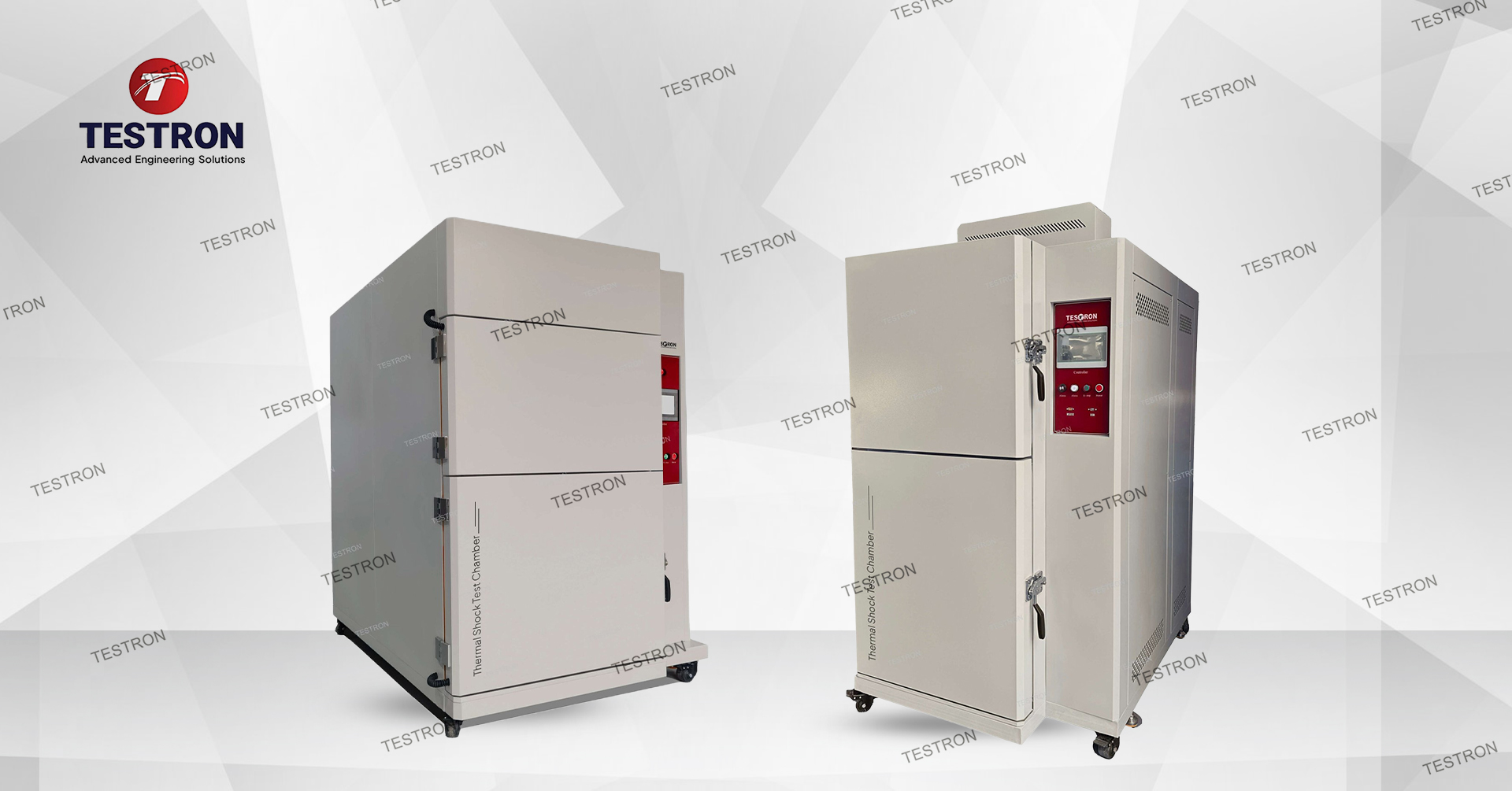
The Critical Role of the Thermal Shock Temperature Chamber in USA Industries
Thermal shock testing has become a mandatory reliability requirement across U.S. industries such as aerospace, automotive manufacturing, defense electronics, semiconductor production, and medical device engineering. A thermal shock temperature chamber in the USA is used to evaluate how components and assemblies perform when rapidly exposed to extreme hot and cold conditions. This testing method helps manufacturers detect weaknesses early, reduce product failures, achieve compliance certifications, and accelerate product-to-market timelines.
With the rise of electric vehicles (EVs), autonomous aircraft technology, semiconductor miniaturization, and high-precision defense electronics, the demand for high-performance thermal shock chambers, temperature shock chambers, and thermal shock environmental chambers in major U.S. cities like Houston, Detroit, Phoenix, Los Angeles, Seattle, Chicago, Dallas, San Jose, and Boston has grown significantly. Choosing the right chamber requires understanding testing needs, applicable regulatory standards, and evaluating the thermal shock temperature chamber price, available models, automation capability, testing capacity, and manufacturer support.
The Testron Group remains one of the leading thermal shock temperature chamber manufacturers and suppliers in the USA, offering certified systems designed for long-term industrial use, advanced digital control systems, ISO 17025 calibration, and compliance with MIL-STD, IEC, ASTM, and JEDEC standards.
Introduction to Thermal Shock Testing in the USA
A thermal shock chamber (also known as a temperature shock test chamber or thermal shock environmental chamber) is specifically engineered to rapidly expose products to sudden temperature transitions such as:
- –65°C → +200°C
- –40°C → +150°C
- +150°C → –55°C
This process helps measure a component’s resilience under extreme stress. Unlike standard stability chambers or humidity chambers, a thermal shock testing chamber rapidly switches temperature zones using programmed sequencing, simulating the real thermal stress that occurs during transportation, aerospace launch conditions, ground-to-altitude transitions, or electric vehicle operation.
Manufacturers across the USA use thermal shock equipment for:
- Lifecycle simulation
- Design validation
- Failure mode analysis
- Reliability engineering
- Safety certification
- Warranty risk reduction
Industries such as electronics manufacturing, aerospace engineering, EV battery development, and advanced medical devices depend on these thermal shock temperature chambers to ensure reliability under fluctuating environmental conditions.
Top Applications of Thermal Shock Chambers Across Key U.S. Industries
The utilization of a thermal shock temperature chamber in the USA is segmented by the high-stakes testing requirements of different sectors.
1. Aerospace and Defense Testing
The USA aerospace ecosystem—including organizations and primes in cities like Seattle, Denver, Huntsville, El Segundo, San Diego, Dallas-Fort Worth, and Phoenix—relies extensively on thermal shock testing.
Military and commercial aircraft components undergo extreme temperature changes due to:
- Rapid high-altitude ascent
- Supersonic travel
- Cryogenic storage environments
- Satellite launch and re-entry
Typical components tested in thermal shock chambers include:
| Aerospace Components Tested | Purpose |
| Avionics boards | Validate reliability under rapid environmental change |
| Navigation and radar modules | Ensure accuracy under shock |
| Composite materials | Validate bonding integrity |
| Spacecraft payload modules | Simulate orbital thermal stress |
By using a thermal shock temperature chamber in the USA, aerospace OEMs ensure their components maintain structural integrity, performance stability, and safety certification compliance.
2. Electronics and Semiconductor Reliability Testing
In U.S. semiconductor hubs like Austin, San Jose, Portland, Phoenix, and Raleigh, thermal shock testing has become standard for:
- Printed Circuit Boards (PCBs)
- Semiconductor chips
- MEMS sensors
- Microprocessors
- Automotive ECUs and EV chips
- LED modules and LCD panels
Semiconductor miniaturization increases sensitivity to thermo-mechanical damage. A thermal shock chamber reveals critical failure points, including:
- Solder joint failure
- Cracking under expansion
- Intermetallic formation
- Coating delamination
- Component warpage
Thermal shock testing helps meet international certification standards such as JEDEC JESD22-A106, MIL-STD-883, and AEC-Q100 (Automotive Grade Qualification). This ensures that final devices withstand real-world thermal cycling during operation when exposed to environments outside the temperature shock test chamber.
3. Automotive and Electric Vehicle (EV) Component Testing
Detroit, Columbus, Greenville, Atlanta, Houston, and Fremont are major U.S. hubs for automotive and EV testing. With rising EV adoption, testing requirements for the thermal shock environmental chamber have evolved to include:
- Battery management system components
- Charging ports and connectors
- Automotive-grade semiconductors
- Infotainment and ADAS systems
- Thermal insulation and polymers
EV batteries undergo intense thermal shock cycles to simulate:
- Rapid heating during fast charging
- Extreme cold start performance
- Sudden temperature shifts during regenerative braking
A temperature shock chamber helps identify:
- Cracking
- Electrolyte leakage
- Connector stress failure
- Thermal runaway initiation points
- Seal and gasket fatigue
This process ensures the safety and compliance of EV components for American roadway standards, making the thermal shock temperature chamber essential for EV development.
Testron Group’s Thermal Shock Chamber Technology (USA)
Testron offers two major system categories:
| Feature | 3TS Single-Room Chamber | 2-Zone Thermal Shock Chamber |
| Sample movement | Stationary | Automated basket transfer |
| Temp transition | Pneumatic damper airflow | Physical relocation |
| Footprint | Compact | Larger |
| Best Use | Small/sample electronics | Automotive & aerospace assemblies |
Both models are designed for precision, reliability, and compliance with industrial testing protocols, reinforcing Testron’s position as a leading thermal shock temperature chamber supplier in the USA.
Read more: Discover Testron’s Advanced Environmental Test Chambers in the USA
Choosing the Right Thermal Shock Temperature Chamber in the USA
When selecting a system, U.S. quality managers compare several factors critical to performance and regulatory compliance for a temperature shock test chamber:
- Required temperature range
- Ramp rate and cycling speed
- Chamber volume
- Controller automation capability
- Reporting and data logging format
- Calibration certification
- Manufacturer service support availability
Testron Group provides installation, ISO-certified calibration, software integration, and long-term maintenance programs nationwide for every thermal shock temperature chamber.
Thermal Shock Temperature Chamber Price Considerations
The thermal shock temperature chamber price depends on:
- Size (50L to 500L+)
- Testing standard requirements (e.g., MIL-STD, JEDEC)
- Data acquisition system configuration
- Single-stage or dual-zone design
- Automation and communication interface options
While exact pricing varies per model and configuration, the typical thermal shock temperature chamber cost in the USA ranges from mid-five-figure budgets to over six figures depending on capacity and features. This investment is justified by the failure reduction and compliance assurance provided by a high-quality thermal shock environmental chamber.
Read More: Find Out Which Thermal Shock Chamber Best Meets Your Industry Standards.
CTA
If you are evaluating a thermal shock temperature chamber, temperature shock chamber, or thermal shock testing chamber supplier in the USA, the Testron Group team is ready to support your selection, comparison, and validation process.
Frequently Asked Questions
What is the purpose of a thermal shock test chamber?
It exposes materials and components to sudden temperature extremes to evaluate durability, stress resistance, and structural reliability.
What industries in the USA use thermal shock testing?
Aerospace, defense, EV automotive, semiconductor manufacturing, medical devices, research labs, and materials engineering.
What is the typical thermal shock temperature chamber price in the USA?
Pricing depends on size, testing standards, and automation features:-commonly from mid-five-figures upward into six-figure budgets.
How long does a typical thermal shock cycle take?
Cycle duration varies, but most complete transitions and stabilization within 10–30 minutes depending on ramp rate and target temperature.
Does Testron Group offer installation and calibration?
Yes: Testron provides U.S.-based installation, ISO-certified calibration, preventive maintenance, spare parts, and lifetime support.